What does the initial assessment involve?
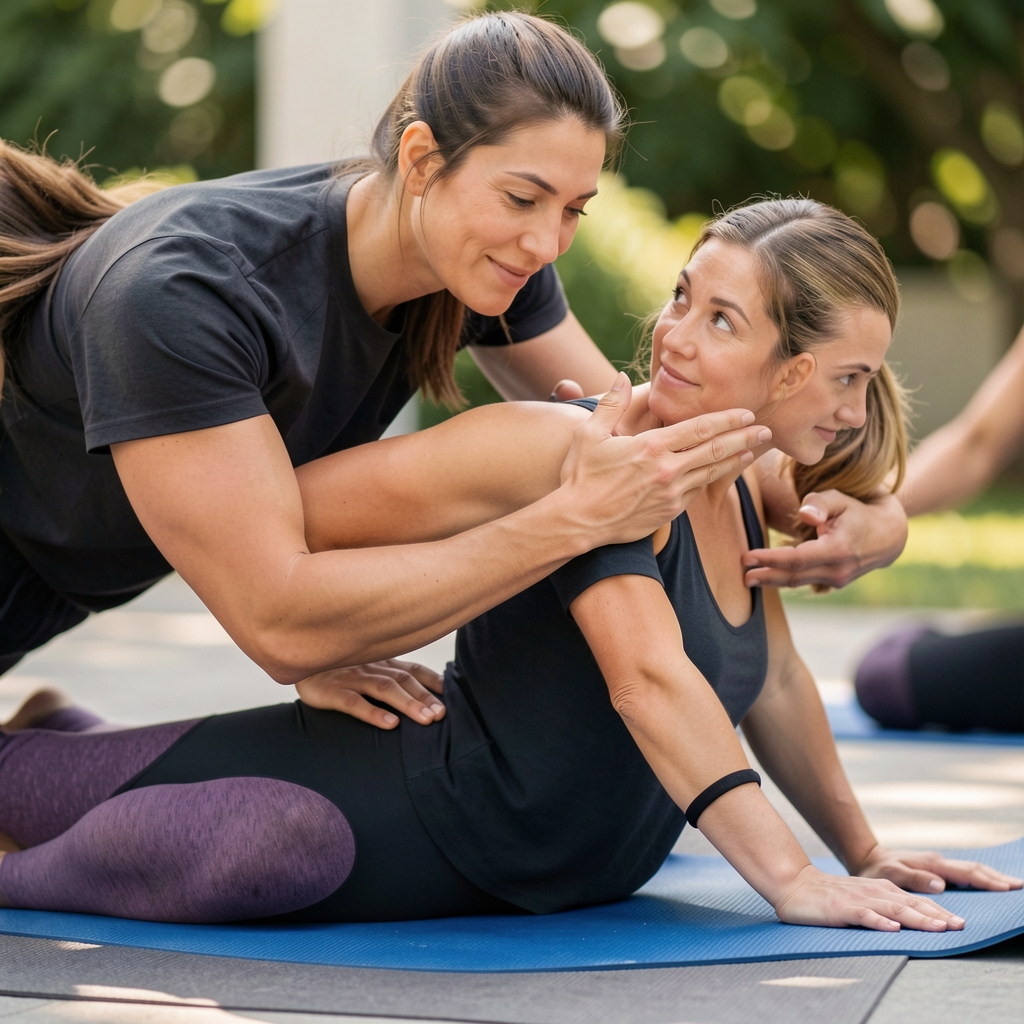
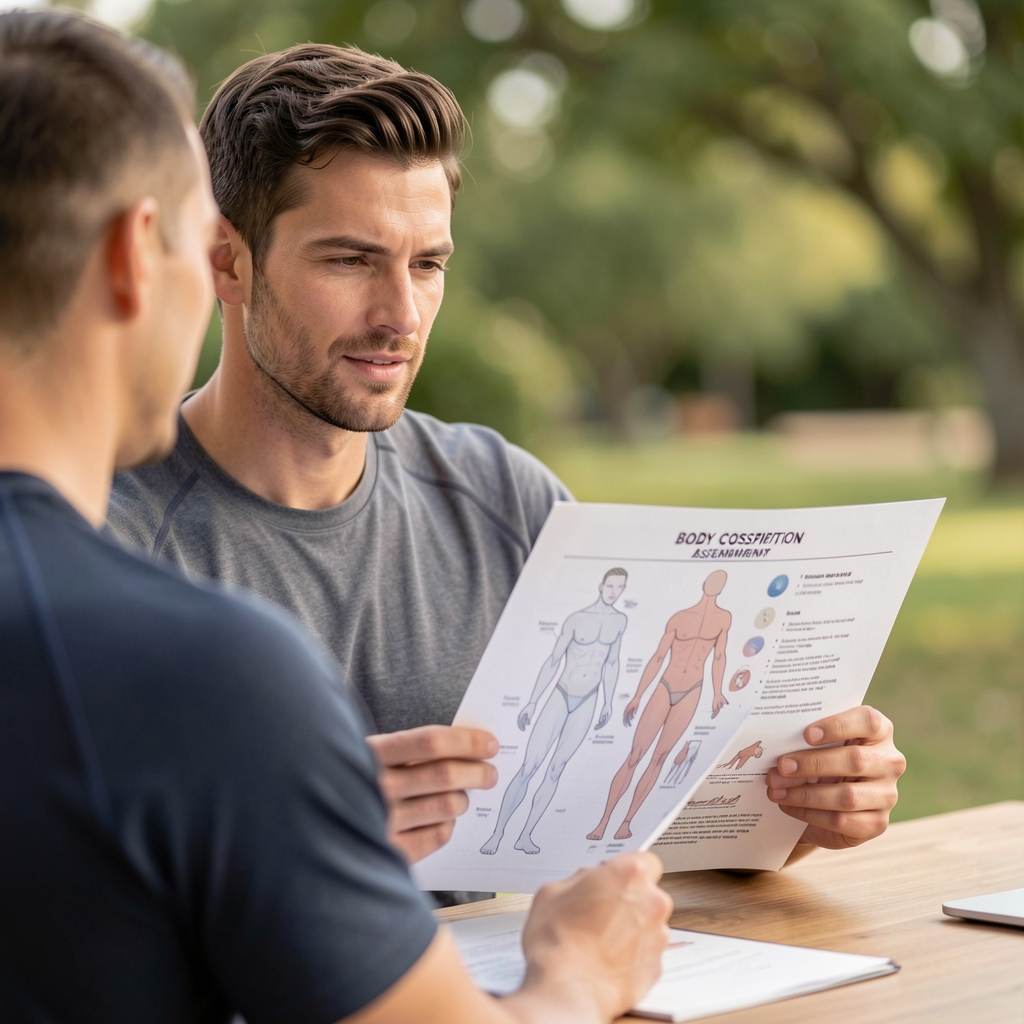
The intake session covers a movement screening assessment (seven patterns), a review of training history, and a structured goal-setting conversation. It typically runs 60 to 75 minutes. No physical performance testing is required at this stage — the assessment is observational and conversational.
Can I train if I have had a previous injury?
Prior injury is noted during the intake conversation and factored into the movement screening. The programme is designed around the findings — certain movement patterns may be modified or substituted based on what the screen reveals. The studio works within the scope of fitness coaching; if a condition requires specialist input, a referral to an appropriate professional is recommended.
How long does a typical training block run?
Standard blocks are 8 to 12 weeks. Each block is designed as a complete phase with defined loading objectives. At the end of a block, a review session informs the design of the next phase. Clients are not committed to a fixed number of blocks — the relationship continues as long as the structured approach is producing value for the client.
Do you provide written training plans for independent use?
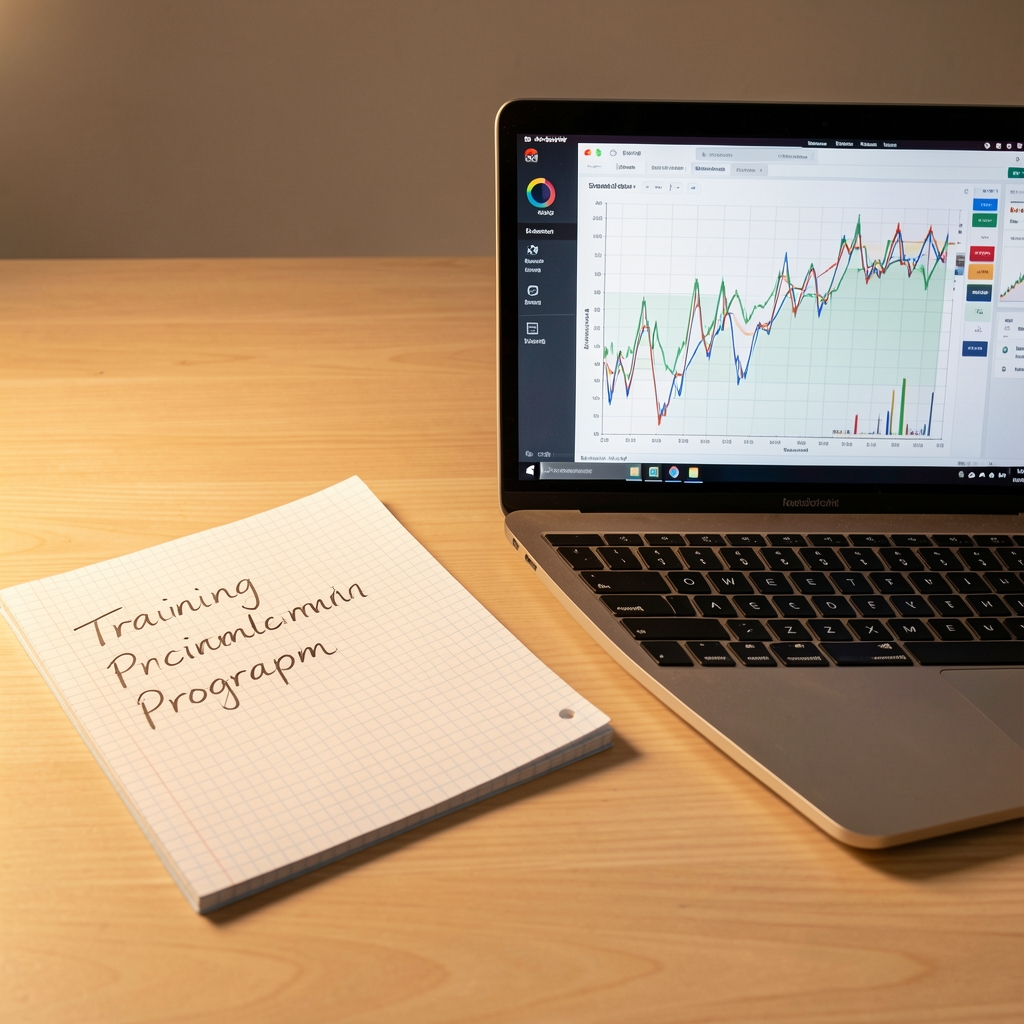
Yes. Remote programming is available as a standalone service. A written programme is delivered in PDF format following an intake consultation (conducted via video call or in person). Check-in reviews are scheduled at four-week intervals.
What equipment is available at the studio?
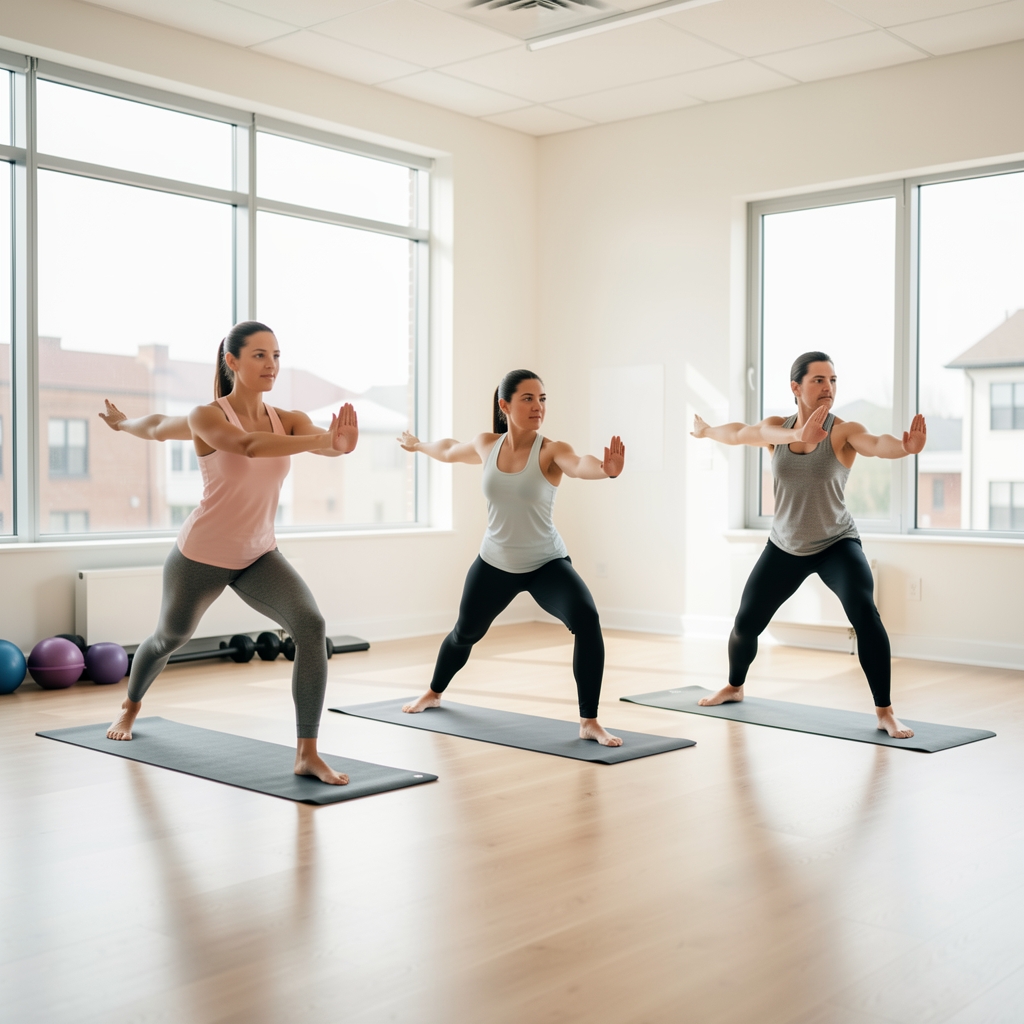
The Jalan Ceylon location is equipped with squat racks, barbells and bumper plates, adjustable dumbbells, cable machines, rowing ergometers, resistance bands, and a range of mobility tools. The full equipment list is available on request before your intake session.